


The Federal Bureau of Investigation has announced a significant increase in personnel and resources dedicated to addressing the Missing and Murdered Indigenous People (MMIW) crisis across the United States. The move comes after years of advocacy from Indigenous communities who have long called attention to the disproportionate rates of violence and disappearance affecting Native women and girls.
According to federal officials, the initiative will involve deploying additional agents to regions with high case volumes, strengthening coordination with tribal law enforcement, and improving investigative systems to ensure faster and more effective case resolution. The announcement signals a renewed federal focus on an issue that has persisted for decades, often without sufficient national response.
However, while the expansion is being framed as progress, it also raises critical questions about the timeline of federal action. For many Indigenous families, the reality of the crisis has been immediate and ongoing. Cases have remained unresolved, communication gaps between agencies have persisted, and jurisdictional complexities have continued to delay justice. The current response, while necessary, arrives after years of calls for intervention.
The MMIW crisis is widely understood as more than an issue of law enforcement capacity. It reflects systemic challenges, including underreporting, limited data coordination, and longstanding structural barriers between tribal, state, and federal authorities. These factors have contributed to a pattern in which many cases receive delayed attention or fail to receive sustained investigative support.
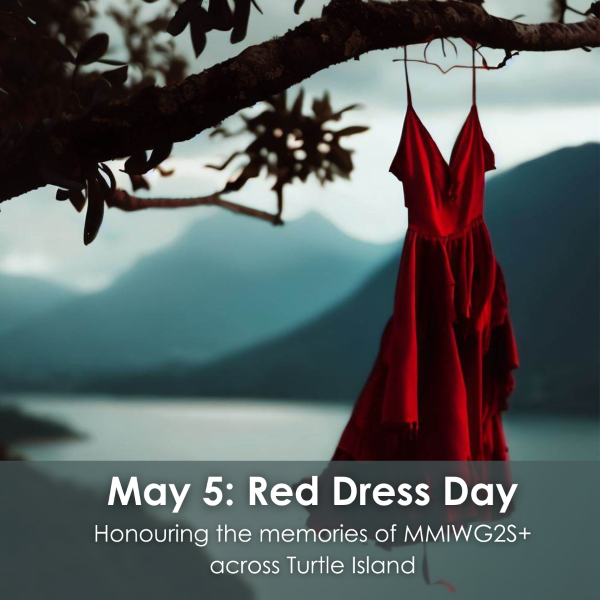
Despite these challenges, Indigenous communities have continued to lead awareness efforts, organizing campaigns, memorials, and advocacy initiatives to ensure that the issue remains visible. Symbols such as the red handprint have become widely recognized representations of both loss and resistance, underscoring the urgency of addressing the crisis and honoring those affected.
The FBI’s announcement represents a measurable step forward, but its impact will ultimately depend on outcomes rather than intention. For affected families, progress will be defined not by the number of agents deployed, but by cases resolved, lives protected, and systemic improvements that prevent future harm.
At Empower Native Voice, we believe that awareness must extend beyond institutional action. It must be carried into everyday spaces, conversations, and choices. Visibility remains a critical part of accountability, and every effort to keep these stories present contributes to broader change.
👉 Explore our collection supporting awareness and advocacy: https://empowernativevoice.com/collections/mmiw-awareness