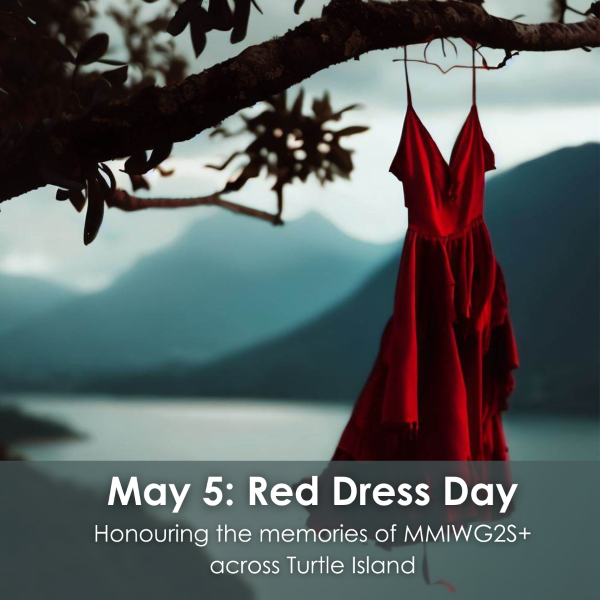



The decision by the Trump administration to remove the federal report on Missing and Murdered Indigenous Women (MMIW) is not just a bureaucratic move - it is a deliberate erasure of a painful and deeply entrenched crisis. This decision does not simply dismiss a document; it dismisses the suffering of thousands of Indigenous women who have disappeared or been murdered, often under suspicious and uninvestigated circumstances.
For years, Indigenous communities have been working tirelessly to shine a light on the dark epidemic of violence faced by Indigenous women, yet the systemic neglect they have encountered, from both the government and mainstream society, has been staggering. The MMIW report was a crucial tool, providing an official, government-backed acknowledgment of this injustice. Its removal represents a setback in the battle for justice, as it eliminates one of the few comprehensive records that connected the dots between law enforcement failures, federal oversight gaps, and the broader societal failure to protect Indigenous women.
The MMIW report compiled data on missing and murdered Indigenous women, highlighting the lack of accountability and the continued marginalization of Indigenous communities by law enforcement agencies. It was a crucial step toward finding justice for the victims and their families. This report helped to create a public record of the issue, which has been dismissed or ignored for far too long. By removing this report, the administration has sent a dangerous message - that the lives of Indigenous women do not matter enough to warrant official recognition.
This removal also hampers the efforts of activists and organizations who have been working diligently to increase awareness about the MMIW crisis and to implement real solutions. Without data and a solid foundation of governmental recognition, it becomes even harder to push for the policies and reforms needed to protect Indigenous women and to hold perpetrators accountable.
The removal of this report does more than just stop a government initiative; it perpetuates the dangerous cycle of invisibility that Indigenous communities face. For years, Native American women have faced not just violence, but a lack of representation in the national discourse. This decision undermines their voices and their stories, silencing a critical issue that demands immediate action.
This is not just about one report; it is about the generations of Indigenous people who have been failed by those in power. It is about the mothers, daughters, sisters, and aunts whose lives were taken, often without justice, and whose families have been left without answers.
What Needs to Happen Now
We cannot afford to ignore this issue any longer. The removal of the MMIW report cannot be the end of the conversation - it must be the catalyst for a stronger movement. As we have seen in recent years, grassroots efforts led by Indigenous activists have been making strides in bringing attention to the MMIW crisis. These efforts must continue and intensify, demanding that the government reinstate the report, acknowledge the crisis, and take meaningful action to protect Indigenous women.
Our fight is far from over. With your support, we can continue raising awareness, supporting Indigenous families, and pushing for systemic change. By standing together and amplifying the voices of Indigenous communities, we can make sure that the lives of MMIW victims are not forgotten and that justice will one day be served.
Shop Now - Support the movement for justice.